madinamerica
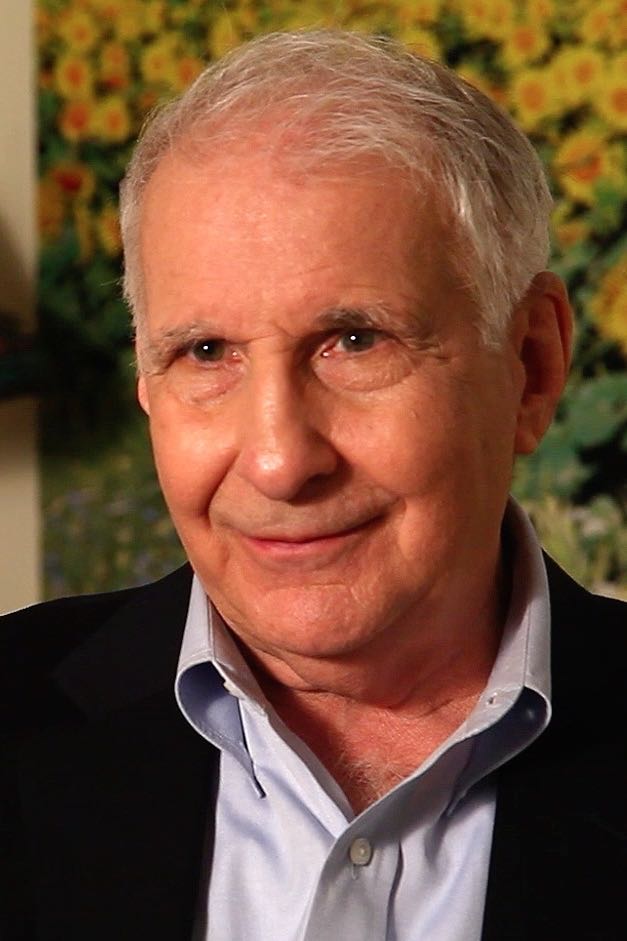
Dr Peter Breggin
Feb 26, 2018
In late September 2016, a few days after Nikolas Cruz turned 18 and became old enough to buy a gun, the Department of Children and Families sent one or more investigators to Cruz’s home. The Department had been alerted by posts on Snapchat where the young man talked crazily about cutting himself and asked for help in getting a gun.
Among the many missed opportunities widely discussed in the media, here is one on the local level where the Department of Children and Families actually went to his home to investigate. The department intended to evaluate Cruz for “possible detainment under the Baker Act, which allows authorities to hold individuals against their will for up to 72 hours.”
What did the investigator find? NBC News quotes the official report: “Mr. Cruz stated that he plans to go out and buy a gun… It is unknown what he is buying the gun for.”
Not only was Cruz planning to buy a gun while apparently refusing to say what he was planning to use it for, but his mother’s observations cast serious doubt on her son’s mental capacity to own a weapon. According to the New York Times, “She told the investigator that Mr. Cruz did not have a gun, though he did have an air gun she would take away from him when he did not follow rules about shooting only at backyard targets.”
Unbelievably, in full knowledge of Cruz’s intention to buy a gun, and his inability to take responsibility for the use of even an air gun, the department found Cruz to be a “low risk” and closed his case within two months.
Had Cruz been committed, under existing gun laws he would have become unable to legally buy a gun to carry out his murderous fantasies. Alternatively, if he had been carefully and safely removed from his psychiatric drugs while receiving good psychosocial therapy, his escalating violent impulses might have abated. Instead, he was left on his own to face the death of his mother and his expulsion from school, while his murderous impulses were fueled by drugs.
What do we know about Cruz’s psychiatric treatment?
The First Tragic Irony
According to the New York Times, the official department report that found Cruz to be “low risk” indicated that “he was regularly taking medication for A.D.H.D. It was unclear whether he was taking anything for depression, according to the report.”
In more detail, NBC News observed that Nikolas’s adoptive mother “insisted he received his necessary medication as prescribed.”
Investigators from the Department of Children and Families also contacted Cruz’s healthcare provider. NBC News quoted directly from report, “[Cruz’s] clinician from Henderson Mental Health has stated that there are no issues with [Cruz’s] medication and he has been compliant with taking his medication and keeps all his appointments.”
This is an irony of tragic proportions. Cruz was left unsupervised and free to buy a gun because he was faithfully taking psychiatric drugs that can cause or aggravate violence.
But do psychiatric drugs really cause violence?
Antidepressant-Induced Violence
In the early 1990s, a federal court appointed me to be the scientific expert for all of the combined product liability cases that were brought against Eli Lilly throughout the country concerning Prozac-induced violence, suicide and crime. Since then I have been involved in many cases in which judges and juries, and even prosecuting attorneys, have determined that psychiatric drugs have caused or substantially contributed to violence. For a lengthy list, see the Legal Section on my website.
In 2003/2004, I wrote a scientific review article about antidepressant-induced suicide, violence and mania which the FDA distributed to all its advisory committee members. This took place as the FDA Advisory Committee members prepared to review new warnings to be put in the Full Prescribing Information for all antidepressants.
In my peer-reviewed paper, I wrote:
Mania with psychosis is the extreme end of a stimulant continuum that often begins with lesser degrees of insomnia, nervousness, anxiety, hyperactivity and irritability and then progresses toward more severe agitation, aggression, and varying degrees of mania. (p. 2)
In words very close to and sometimes identical to mine, the FDA one year later required the manufacturers of every antidepressant to put the following observations in the Warnings section of the Full Prescribing Information:
All patients being treated with antidepressants for any indication should be monitored appropriately and observed closely for clinical worsening, suicidality, and unusual changes in behavior, especially during the initial few months of a course of drug therapy, or at times of dose changes, either increases or decreases. The following symptoms, anxiety, agitation, panic attacks, insomnia, irritability, hostility, aggressiveness, impulsivity, akathisia (psychomotor restlessness), hypomania, and mania, have been reported in adult and pediatric patients being treated with antidepressants for major depressive disorder as well as for other indications, both psychiatric and nonpsychiatric. (Celexa 2017, p. 8, bold added)
These adverse drug effects—including agitation, irritability, hostility, aggressiveness, akathisia, and impulsivity—are an obvious prescription for violence. Akathisia, which I also described in my article, is a psychomotor agitation that is strongly associated with violence.
The FDA further confirmed that antidepressants can cause violence in the FDA-approved Medication Guide for antidepressants. By law, Medication Guides must be based on science and on the drug’s Full Prescribing Information. These several-page guides are intended to be shared and discussed by the doctor with patients and their families.
The FDA Medication Guide for antidepressants warns clinicians, patients and families to be on the alert for the following:
acting on dangerous impulses
acting aggressive or violent
feeling agitated, restless, angry or irritable
other unusual changes in behavior or mood (Celexa 2017, p. 33)
This list (above) of antidepressant adverse effects from the Medication Guide should make clear that antidepressants can cause violence.
Stimulant-Induced Violence
The FDA also acknowledges the risk of both psychosis and aggression from the stimulant drugs used to treat ADHD, but waffles somewhat in the Full Prescribing Information about aggression. These excerpts are from the Dexedrine (amphetamine) Full Prescribing Information:
Psychiatric Adverse Events
Emergence of New Psychotic or Manic Symptoms: Treatment emergent psychotic or manic symptoms, e.g., hallucinations, delusional thinking, or mania in children and adolescents without a prior history of psychotic illness or mania can be caused by stimulants at usual doses.
Aggression: Aggressive behavior or hostility is often observed in children and adolescents with ADHD, and has been reported in clinical trials and the post-marketing experience of some medications indicated for the treatment of ADHD. Although there is no systematic evidence that stimulants cause aggressive behavior or hostility, patients beginning treatment for ADHD should be monitored for the appearance of, or worsening of, aggressive behavior or hostility. (Dexedrine, 2007, p. 3)
The Medication Guide for Dexedrine warns to report to the doctor “Mental (Psychiatric) Problems” that can be caused by the stimulant. The warning for stimulants echoes some of the adverse violence-related effects caused by antidepressants:
new or worse behavior and thought problems
new or worse bipolar illness
new or worse aggressive behavior or hostility (Dexedrine, 2014, p. 9)
Study Shows Antidepressants and Stimulants Are Especially Likely to Cause Violence
One of the most convincing studies of medication-induced violence was based on reports of violence to the FDA over a several year period. When the number of prescriptions written for each drug was factored in, a small group of drugs accounted for almost all reports of violence.
In the study of violence reports to the FDA, any predisposition toward violence in the patients themselves was largely ruled out because some of the most violence-inducing drugs were not psychiatric drugs, and were being given to a more general population. Some of the violence-inducing drugs were antibiotics, including Lariam (Mefloquine), which Sgt. Robert Bales was taking when he slaughtered 16 helpless, innocent villagers in Afghanistan.
The amphetamines as a group (mostly used to treat ADHD) were third in order of frequency of violence reports per prescription. The amphetamines include drugs such as Adderall and Dexedrine (pure amphetamines) and amphetamine-like drugs based on methylphenidate, such as Ritalin, Focalin and Concerta. While amphetamines as a group were third in the list of most likely to induce violence, overall the antidepressants were the most common offenders, with Prozac, Paxil, and Effexor near the top.
Losing Track of the Threat
Cruz’s school counselor protested to the Department of Children and Families that they should re-examine their conclusion that he was a “low risk” for violence. Then in January 2017, two months after the agency had closed its investigation, the Broward County Public Schools disciplinary records indicate that the school referred Cruz to the Department of Children and Families for a “threat assessment” because of a long history of “fights with teachers” and “using profane language with school staff.” No other information was provided about the outcome of that referral.
What was going on? When public agencies have difficult children and young adults to deal with, they automatically turn to psychiatric diagnosing and drugging. Previously concerned adult authorities then withdraw their concern and attention because the child is getting “psychiatric treatment.” Caring, empathic and effective psychosocial treatments fall by the wayside.
Authorities do this without grasping that they are shoving the child under a suffocating chemical rug in the form of neurotoxins that blunt all emotions and stifle all behavior. Those dooming the children and youth to psychiatric oblivion probably do not know, as Bob Whitaker has shown in Anatomy of an Epidemic, that psychiatric drugs will diminish their competence and quality of life, while also raising the cost of their treatment and their disability payments. They do not foresee that the psychiatric strategy for treatment will sometimes lead to tragic outcomes like the school shootings. Nor do they realize that the overall evidence of harm from psychiatric drugs is infinitely greater than the evidence for good effects, as scientist Peter Gøtzsche has confirmed in Deadly Psychiatry and Organized Denial.
Another Tragic Irony
During Cruz’s build up to the mass murders, his Snapchat remarks about cutting himself and wanting to get a gun were not the only red flags that he was dangerous. Among many other warning signs, he declared on social media that he wanted to become a “professional school shooter” and he told an acquaintance that he had bought a gun and was planning to shoot up the school within weeks before it happened.
This was not mere bragging to bolster his ego. Cruz was intelligent enough to know that broadcasting his intention could lead to his being stopped. On some level of his disturbed mind, Cruz was begging to be stopped. Several people did in fact report him but to no avail.
The second great, tragic irony is that Cruz desperately signaled his dangerousness but agencies as high up as the FBI saw and never responded to his conscious or unconscious pleas to be stopped.
How Psychiatry Increases the Threat of Violence
Calling for more spending on mental health and on psychiatry will make matters worse, probably causing many more shootings than it prevents.
Not only do psychiatric drugs add to the risk of violence, but psychiatric treatment lulls the various authorities and the family into believing that the patient is now “under control” and “less of a risk.” Even the patient may think the drugs are helping, and continue to take them right up to the moment of violence.
The belief in drugs is so prevailing that the authorities, in my forensic experience, will continue the offending drugs or even increase them in jail. Sometimes the perpetrator of the violence may begin to suspect the drugs contributed to his violence, but more often he is still hoping that they help and wants his medications continued in jail.
Even when some of their patients signal with all their might that they are dangerous and need to be stopped, mental health providers are likely to give drugs, adding fuel to the heat of violent impulses, while assuming that their violence-inducing drugs will reduce the risk of serious aggression.
We have seen that Nikolas Cruz was probably being treated with violence-inducing stimulants and/or antidepressants by a psychiatrist who was nonetheless aware of his violent tendencies and serious underlying threats. We have seen how his blatant threats were disregarded, probably on the grounds that he was already in the mental health system and receiving drugs.
Psychiatry not only increases the risk of violence by giving violence-inducing drugs, but it lulls patients, families, professionals, schools and the public into an unrealistic and even disastrous sense of security. I have described dozens of such cases in my book, Medication Madness: the Role of Psychiatric Drugs in Cases of Violence, Suicide and Crime.
James Holmes, the Aurora Theater shooter, is an extreme example of the dangers of sending a violent person for psychiatric treatment. Holmes was in graduate school when he asked for psychiatric help. He told his psychiatrist he had such violent feelings that he dared not tell her all about them for fear that she would lock him up.
What did Holmes’ psychiatrist do? On that same first visit where he warned about seriously violent feelings, she started him on the antidepressant Zoloft. Under the influence of the drug, he became grossly psychotic and began elaborating his plans and collecting weapons.
Did Holmes’ psychiatrist need more training or awareness? No, she was especially trained in the prevention of campus school shootings and immediately contacted campus security, while starting him on Zoloft. Increased training under the current mental health system will only lead to even more drugging, because that is what my colleagues in psychiatry do—they drug nearly everyone they can get their hands on.
To prevent or reduce school shootings, we need to stop relying on current mental health and psychiatric interventions to prevent mass violence. Psychiatric approaches do more harm than good.
What More Can We Do to Prevent or Reduce School Shootings?
School shootings have multiple causes. My focus in this report is on the role of psychiatric drugs because it receives so little attention, despite being one of the chief causes of mass violence. In keeping with my emphasis, for solutions I will focus again on my own area of knowledge: the provision of psychosocial and educational services to children, youth, and their caregivers or families.
One of the first required steps is to force public disclosure of any and all drugs prescribed to violent perpetrators. We still do not know exactly what was prescribed to Cruz other than that he was treated for ADHD and depression. Family members have reported that he was taking psychiatric medications for depression around the time he assaulted his school, but we lack documentation for this.
Authorities often avoid releasing information about the medications that mass murderers were taking. In 2012, twenty-year-old Adam Lanza murdered 20 children and 6 adults at Sandy Hook Elementary School. Six years later, the State of Connecticut has never released his medical records or reported the medications in his blood. Why? According to an assistant attorney general for the state, Lanza’s medications cannot be made public because the information “can cause a lot of people to stop taking their medications.”
It took a legal action to force the corner in the Las Vegas mass murder case to make public what if any medications were identified in the perpetrator’s body. When it was reported that he had Valium in his body at the time of his death, it did not even get a ho-hum response from the press.
Similarly, in 2013, when it was quickly discovered that the naval yard shooter had recently been started on the antidepressant trazodone at the VA, the news just as quickly disappeared from view. So it will not be enough to get the information we need; we will also have to work to draw attention to it.
Despite how often threat reports are ignored, they are a frontline deterrent. We need to make it easier to report threats by young people by providing well-advertised state-wide designated online and telephone reporting sites, and by preparing and empowering state and local agencies to respond to these threats. Federal agencies should play little or no role in this strategy, which requires immediate local responsiveness.
Offering Better Services
I have already emphasized the importance of no longer relying on the current mental health and psychiatric system to stop school shootings. However, even if school shootings were not such a huge problem, we still need to stop drugging our children and youth to control their feelings, thoughts and actions. Antidepressants, stimulants, benzodiazepines and all other brain-disabling, mind-altering drugs should not be used to control the minds or behaviors of young people. Children need more adult help, not more neurotoxic drugs. We must not let them to grow up with their brains and minds soaked in neurotoxins.
We need to revamp the services we deliver in our schools and families to place more emphasis on educational and psychosocial approaches to healing distressed individuals and their families. The Department of Children and Families was sent to the Cruz household to investigate and not to help. It assumed that going to a mental health clinic and taking psychiatric drugs was a good idea that reduced his dangerousness. Cruz was then left largely on his own to deal with his mother’s death and expulsion from school.
We need to focus services for young people on helping parents and children in conflict without resorting to demeaning psychiatric labels and toxic psychiatric drugs. A variety of relatively low-cost programs involving volunteers, coaches, and counselors provides the best model for help. To be most effective, we need a drug-free wraparound program with voluntary psychosocial interventions, including efforts to support and strengthen the family or care-taking unit.
Wraparound treatment would be provided not only to the identified child or youth but to the entire family. The treatment team at various times would involve teachers, school counselors, individual and/or family therapy, and direct aid to struggling families. I describe these programs in Reclaiming Our Children, a book I wrote in response to the Columbine shootings. These approaches are much less costly than providing chronic, futile psychiatric treatment, and have a better chance of stopping a catastrophic spiral into mass murder.
In the Cruz case, the school and its counselor, and many of the students, were alert to his dangerousness. Unfortunately, the dominance of drug-oriented psychiatry left no place to turn for effective help. Cruz was already being treated within a mental health clinic that provided individual treatment based on diagnoses and drugs. Instead we need psychosocial interventions, including empathic therapy, for individuals and their families.
Good psychosocial and educational help for our distressed and potentially violent children and young adults, and their families, will remain unavailable as long as psychiatry dominates theory and practice. Reforms will never occur as long as prescribers are enabled to sicken young brains and minds with neurotoxic psychiatric drugs. With biological psychiatry and the pharmaceutical industry continuing to determine the kind of mental health services that are delivered, school shootings will continue to grow in number and ferocity.
The Breggin Blog: The Conscience of Psychiatry: Dr. Breggin has been called "The Conscience of Psychiatry" for his decades of successful efforts to reform the field. He criticizes psychiatric drugs and ECT, and promotes more caring, empathic and effective therapies. His newest book is Guilt, Shame and Anxiety: Understanding and Overcoming Negative Emotions.
Thank You Dr Breggin and MIA.
Showing posts with label Breggin. Show all posts
Showing posts with label Breggin. Show all posts
Wednesday, February 28, 2018


Tuesday, May 30, 2017
How FDA Avoided Finding Adult Antidepressant Suicidality
By Peter Breggin, MD May 24, 2017
 Doctors often tell patients that antidepressants can only cause suicidal behavior in children and not in adults. Many publications also make the same claim. The false claim is based on the FDA-approved Black Box Warning for antidepressants that warns about an increased rate of suicidality in children, youth and young adults taking antidepressants, but not in adults over age 24. The Black Box Warning specifically summarizes, “Short-term studies did not show an increase in the risk of suicidality with antidepressants compared to placebo in adults beyond age 24.”
The studies that the FDA relied upon for adults over age 24 were dismally flawed and untrustworthy compared to the ones used for children. According to the FDA at the 2006 hearings:
“Due to the large number of subjects in the adult analysis, almost 100,000 patients, the adjudication process was left as the responsibility of the sponsors [the drug companies] and was not overseen or otherwise verified by the FDA. This is in contrast to the pediatric suicidality analysis in which the FDA was actively involved in the adjudication (p. 14).”
In addition, the FDA also announced at the 2006 hearings on antidepressant-induced adult suicidality that it did not require a uniform method of analysis by each drug company and an independent evaluator as required with the pediatric sample.
Thus, the FDA was comparing somewhat good apples (the pediatric studies) to rotten apples (the adult studies), while making them seem comparable. The child studies showed that antidepressants can cause suicidality — the adult studies (after age 24) showed nothing other than FDA collusion with the self-serving drug companies. As I have described in my books and scientific articles, drug companies routinely manipulate their data on suicide to avoid any causal connection to their drug (see for example my 2006 paper about GSK and Paxil).
In the case of Eli Lilly, here are two memos by employee Claude Bouchey (pages 2 & 3 of document) written to the hierarchy of the company in which he expresses guilt and shame about changing official investigator reports of Prozac-induced suicide attempt to misleading terms like “overdose” or “depression.”
Ironically, the FDA controlled and monitored the original pediatric studies precisely because the drug companies on their own failed to find any risk of antidepressant-induced suicidality in any age group. Why would the FDA assume these same self-serving drug companies, left on their own again, would spontaneously begin for the first time to conduct honest studies on the capacity of their products to cause adult suicidality?
Furthermore, even in the rotten-apple adult studies, despite the drug company’s manipulations, Paxil (paroxetine) turned out to be causally associated with increased suicidality in depressed adults in an internal FDA review of the data. As a result, in 2006 the FDA then forced the maker of Paxil, GlaxoSmithKline (GSK), to write a “Dear Doctor” letter to all healthcare providers confirming the Paxil/suicidality causal link in adults.
In April 2006, the FDA also made the drug company put a warning in its Full Prescribing Information (label or package insert) about the risk of Paxil causing suicidality in adults with depression; but GSK convinced them to drop it in subsequent years. The warning appeared in the Physician’s Desk Reference (PDR) only once in 2007.
Meanwhile, there are many studies showing that antidepressants do cause suicidality and suicide in adults.
Next time you hear someone say that the FDA studies only showed increased suicidality in children and young adults as opposed to adults, remember that the adult studies, unlike the pediatric studies, were not controlled, monitored or validated by the FDA. This is one more example of the extremes the FDA will go to in order to protect drug companies and their often lethal products.
It was bad enough to find out that antidepressants cause suicidality in children. The drug companies and their minions complained mightily. The FDA and the drug companies were not going to allow a repetition of sufficiently unbiased studies that might conclude that adults are also vulnerable to antidepressant-induced suicide.
Thank You Dr Breggin and MIA.
 Doctors often tell patients that antidepressants can only cause suicidal behavior in children and not in adults. Many publications also make the same claim. The false claim is based on the FDA-approved Black Box Warning for antidepressants that warns about an increased rate of suicidality in children, youth and young adults taking antidepressants, but not in adults over age 24. The Black Box Warning specifically summarizes, “Short-term studies did not show an increase in the risk of suicidality with antidepressants compared to placebo in adults beyond age 24.”
 The studies that the FDA relied upon for adults over age 24 were dismally flawed and untrustworthy compared to the ones used for children. According to the FDA at the 2006 hearings:
“Due to the large number of subjects in the adult analysis, almost 100,000 patients, the adjudication process was left as the responsibility of the sponsors [the drug companies] and was not overseen or otherwise verified by the FDA. This is in contrast to the pediatric suicidality analysis in which the FDA was actively involved in the adjudication (p. 14).”
In addition, the FDA also announced at the 2006 hearings on antidepressant-induced adult suicidality that it did not require a uniform method of analysis by each drug company and an independent evaluator as required with the pediatric sample.
Thus, the FDA was comparing somewhat good apples (the pediatric studies) to rotten apples (the adult studies), while making them seem comparable. The child studies showed that antidepressants can cause suicidality — the adult studies (after age 24) showed nothing other than FDA collusion with the self-serving drug companies. As I have described in my books and scientific articles, drug companies routinely manipulate their data on suicide to avoid any causal connection to their drug (see for example my 2006 paper about GSK and Paxil).
In the case of Eli Lilly, here are two memos by employee Claude Bouchey (pages 2 & 3 of document) written to the hierarchy of the company in which he expresses guilt and shame about changing official investigator reports of Prozac-induced suicide attempt to misleading terms like “overdose” or “depression.”
Ironically, the FDA controlled and monitored the original pediatric studies precisely because the drug companies on their own failed to find any risk of antidepressant-induced suicidality in any age group. Why would the FDA assume these same self-serving drug companies, left on their own again, would spontaneously begin for the first time to conduct honest studies on the capacity of their products to cause adult suicidality?
Furthermore, even in the rotten-apple adult studies, despite the drug company’s manipulations, Paxil (paroxetine) turned out to be causally associated with increased suicidality in depressed adults in an internal FDA review of the data. As a result, in 2006 the FDA then forced the maker of Paxil, GlaxoSmithKline (GSK), to write a “Dear Doctor” letter to all healthcare providers confirming the Paxil/suicidality causal link in adults.
In April 2006, the FDA also made the drug company put a warning in its Full Prescribing Information (label or package insert) about the risk of Paxil causing suicidality in adults with depression; but GSK convinced them to drop it in subsequent years. The warning appeared in the Physician’s Desk Reference (PDR) only once in 2007.
Meanwhile, there are many studies showing that antidepressants do cause suicidality and suicide in adults.
Next time you hear someone say that the FDA studies only showed increased suicidality in children and young adults as opposed to adults, remember that the adult studies, unlike the pediatric studies, were not controlled, monitored or validated by the FDA. This is one more example of the extremes the FDA will go to in order to protect drug companies and their often lethal products.
It was bad enough to find out that antidepressants cause suicidality in children. The drug companies and their minions complained mightily. The FDA and the drug companies were not going to allow a repetition of sufficiently unbiased studies that might conclude that adults are also vulnerable to antidepressant-induced suicide.
Thank You Dr Breggin and MIA.
Wednesday, November 2, 2016
The Hidden Epidemic Exposed: The New Tardive Dyskinesia (TD) Resource Center
madinamerica
 First off, Reaching Dr Breggin's site in the Democrat owned State we reside in, ain't happening for us on public WIFI. Here's what accessing it returns us.
No, Governor, and People's Socialist Workers Party State Legislature, it is Not prohibited content BY Your own rules. It addresses FDA Approved Federal Racketeering Statute Violating 'Medications' (and we gag on using the word 'Medications' since Govt/Industry Sales Hype to the contrary, there is nothing medicinal about the filth).
Screed off. On to Dr Breggin's article.
Tardive dyskinesia is a dreadful disorder caused by all the antipsychotic drugs. Most obviously, it causes disfiguring and sometimes wholly disabling bizarre involuntary movements that afflict any muscles of the body that are normally partially or wholly under voluntary control. This includes the eyes, mouth, tongue, face, arms and legs, fingers and toes, neck and shoulders, and back and torso. It can impair the diaphragm and breathing, the vocal cords and speech, or the esophagus and swallowing. It can cause painful and deforming spasms, often of the neck and shoulders (tardive dystonia). TD can cause a torture-like inner agitation (tardive akathisia) that drives people into psychosis, violence, and suicide. Especially when severe, TD is often associated with cognitive impairments, dementia, and psychosis. People who suffer from it tend to become isolated from society and many become disabled.
The list of newer antipsychotic drugs includes Risperdal (risperidone), Abilify (aripiprazole), Geodon (ziprasidone), Invega (paliperidone), Latuda (lurasidone), Rexulti (brexpiprazole), Risperdal (risperidone), Saphris (asenapine), Seroquel (quetiapine), and Zyprexa (olanzapine). Older antipsychotics include Haldol (haloperidol) and Thorazine (chlorpromazine). All cause TD.
Everything described here is backed by scientific articles easily retrievable on my new Tardive Dyskinesia (TD) Resource Center on www.Breggin.com.
After an individual suffers from TD for more than a few months, the likelihood of recovery becomes very small. There are no effective and safe treatments.
When removed from the drugs, some people with TD improve over time, usually without full recovery. Others develop new symptoms and grow more impaired.
TD can manifest as one or multiple symptoms, varies from day to day, and tends to disappear in sleep. Tension, anxiety and fatigue can temporarily worsen the symptoms, but play no role whatsoever in causing TD.
TD rates for people on antipsychotic drugs are astronomical. In healthy young adults given antipsychotics, the cumulative rate is 5%-8% per year, which builds up to 15% to 24% at 3 years. The rate steadily rises with age, equaling or exceeding a cumulative rate of 25% to 30%per year patients 65 and older. It afflicts children on antipsychotics at rates similar to young adults and can ruin their lives before they get started.
Worse yet, the actual rates are even higher because the patients who are studied are usually taking the antipsychotic drugs at the time of the study, and these drugs mask the symptoms of TD while they are developing.
How many victims are there? In the last few decades, the drug companies and psychiatry have suppressed any estimates. However, we are informed that in 2011, more than 3 million patients were given antipsychotic drugs in the US. With such high rates of TD, we can make a modest estimate that approximately 10% (or 300,000) newly medicated patients will develop tardive dyskinesia each year. (Since many of the patients are in nursing homes, many would have TD rates as high as 30% per year.) Those who stay on the drugs, as many do, will face increasing risks in the future. If we consider the many people living with TD that they incurred years earlier, along with those now approaching a risk reaching 25% to 30% per year, it is certain that many millions of Americans have TD. Probably tens of millions have been afflicted since the drugs first came out in 1954.
Scientific reports first identified tardive dyskinesia in the late 1950s. We must give up hoping that the Food and Drug Administration (FDA), the drug companies, or the medical profession will do anything substantial about this growing pandemic. My work, and that of Bob Whitaker and others, has demonstrated that these neurotoxins produce widespread harm and that their demonstrable value approaches nil. Long-term, people on antipsychotic drugs tend to deteriorate physically and mentally. We must continue to educate the public until people begin refusing to submit themselves to the epidemic.
The Tardive Dyskinesia (TD) Resource Center is one more step in the direction of educating the public, as well as the professions. The Tardive Dyskinesia Resource Center offers a simple yet thorough introduction to the drug-induced disorder, a list of offending medications, and illustrative videos. PDFs of about 150 scientific articles are organized by subject such as rates for adults, children and older people; evidence that the newer drugs are as bad as the older ones; studies showing brain damage and cognitive dysfunction, and a dozen more subjects.
Please help to spread the word about this new and entirely free TD resource center.
Previous article“Largest Nursing Home Pharmacy Pays $28 Million to Settle Kickback Charges”
Next articleAre Different Depression Scales Measuring the Same Thing?
Peter Breggin, MD
http://www.breggin.com
The Breggin Blog: The Conscience of Psychiatry: Dr. Breggin has been called "The Conscience of Psychiatry" for his decades of successful efforts to reform the field. He criticizes psychiatric drugs and ECT, and promotes more caring, empathic and effective therapies. His newest book is Guilt, Shame and Anxiety: Understanding and Overcoming Negative Emotions.

| |||||||||||
| Access to the requested site has been restricted due to your organization’s policy. | |||||||||||
| |||||||||||
 |
This is Government using Your money, against you, to cover up its own Criminal Drug Deals.
Dr Breggin's site exposes FDA approved for sale agents of chemical warfare advertised as 'Medications' treating the Symptoms of 'Behaviors' which may OFFEND other people.
Gotta say it, again.
The 1st Amendment guarantees no one any 'Right' to be protected from being Offended.
Dr Breggin's site exposes FDA approved for sale agents of chemical warfare advertised as 'Medications' treating the Symptoms of 'Behaviors' which may OFFEND other people.
Gotta say it, again.
The 1st Amendment guarantees no one any 'Right' to be protected from being Offended.
Screed off. On to Dr Breggin's article.
Tardive dyskinesia is a dreadful disorder caused by all the antipsychotic drugs. Most obviously, it causes disfiguring and sometimes wholly disabling bizarre involuntary movements that afflict any muscles of the body that are normally partially or wholly under voluntary control. This includes the eyes, mouth, tongue, face, arms and legs, fingers and toes, neck and shoulders, and back and torso. It can impair the diaphragm and breathing, the vocal cords and speech, or the esophagus and swallowing. It can cause painful and deforming spasms, often of the neck and shoulders (tardive dystonia). TD can cause a torture-like inner agitation (tardive akathisia) that drives people into psychosis, violence, and suicide. Especially when severe, TD is often associated with cognitive impairments, dementia, and psychosis. People who suffer from it tend to become isolated from society and many become disabled.
The list of newer antipsychotic drugs includes Risperdal (risperidone), Abilify (aripiprazole), Geodon (ziprasidone), Invega (paliperidone), Latuda (lurasidone), Rexulti (brexpiprazole), Risperdal (risperidone), Saphris (asenapine), Seroquel (quetiapine), and Zyprexa (olanzapine). Older antipsychotics include Haldol (haloperidol) and Thorazine (chlorpromazine). All cause TD.
Everything described here is backed by scientific articles easily retrievable on my new Tardive Dyskinesia (TD) Resource Center on www.Breggin.com.
After an individual suffers from TD for more than a few months, the likelihood of recovery becomes very small. There are no effective and safe treatments.
When removed from the drugs, some people with TD improve over time, usually without full recovery. Others develop new symptoms and grow more impaired.
TD can manifest as one or multiple symptoms, varies from day to day, and tends to disappear in sleep. Tension, anxiety and fatigue can temporarily worsen the symptoms, but play no role whatsoever in causing TD.
TD rates for people on antipsychotic drugs are astronomical. In healthy young adults given antipsychotics, the cumulative rate is 5%-8% per year, which builds up to 15% to 24% at 3 years. The rate steadily rises with age, equaling or exceeding a cumulative rate of 25% to 30%per year patients 65 and older. It afflicts children on antipsychotics at rates similar to young adults and can ruin their lives before they get started.
Worse yet, the actual rates are even higher because the patients who are studied are usually taking the antipsychotic drugs at the time of the study, and these drugs mask the symptoms of TD while they are developing.
How many victims are there? In the last few decades, the drug companies and psychiatry have suppressed any estimates. However, we are informed that in 2011, more than 3 million patients were given antipsychotic drugs in the US. With such high rates of TD, we can make a modest estimate that approximately 10% (or 300,000) newly medicated patients will develop tardive dyskinesia each year. (Since many of the patients are in nursing homes, many would have TD rates as high as 30% per year.) Those who stay on the drugs, as many do, will face increasing risks in the future. If we consider the many people living with TD that they incurred years earlier, along with those now approaching a risk reaching 25% to 30% per year, it is certain that many millions of Americans have TD. Probably tens of millions have been afflicted since the drugs first came out in 1954.
Scientific reports first identified tardive dyskinesia in the late 1950s. We must give up hoping that the Food and Drug Administration (FDA), the drug companies, or the medical profession will do anything substantial about this growing pandemic. My work, and that of Bob Whitaker and others, has demonstrated that these neurotoxins produce widespread harm and that their demonstrable value approaches nil. Long-term, people on antipsychotic drugs tend to deteriorate physically and mentally. We must continue to educate the public until people begin refusing to submit themselves to the epidemic.
The Tardive Dyskinesia (TD) Resource Center is one more step in the direction of educating the public, as well as the professions. The Tardive Dyskinesia Resource Center offers a simple yet thorough introduction to the drug-induced disorder, a list of offending medications, and illustrative videos. PDFs of about 150 scientific articles are organized by subject such as rates for adults, children and older people; evidence that the newer drugs are as bad as the older ones; studies showing brain damage and cognitive dysfunction, and a dozen more subjects.
Please help to spread the word about this new and entirely free TD resource center.
Previous article“Largest Nursing Home Pharmacy Pays $28 Million to Settle Kickback Charges”
Next articleAre Different Depression Scales Measuring the Same Thing?
Peter Breggin, MD
http://www.breggin.com
The Breggin Blog: The Conscience of Psychiatry: Dr. Breggin has been called "The Conscience of Psychiatry" for his decades of successful efforts to reform the field. He criticizes psychiatric drugs and ECT, and promotes more caring, empathic and effective therapies. His newest book is Guilt, Shame and Anxiety: Understanding and Overcoming Negative Emotions.
Thank You Dr Breggin and MIA.
Friday, March 22, 2013
Never Again! The Real History of Psychiatry
Dr Peter Breggin (via Natural News) has;
Never Again! The Real History of Psychiatry.Wednesday, March 20, 2013 by: Peter Breggin
(NaturalNews) There have been recent calls for a national Mental Health Registry, and then additional calls to link such a registry to gun licensing. In the dreadful wake of Newtown, both the left and the right and the current US federal administration are demanding that we tighten mental health statutes to make it easier and even mandatory for health care providers including psychiatrists and psychotherapists to incarcerate people on suspicion of perpetrating violence.
In a recent blog, I evaluated all the ways psychiatry and individual psychiatrists already have too much authority to lock up American citizens. I've pointed out how ineffective that power has proven in preventing violence.
Indeed, as many are now learning, psychiatric drugs can cause violence and have contributed to school shootings and other mayhem. Here I want to remind and to warn that psychiatry has been and continues to be the cause of some of the greatest abuses in the Western World. In the aftermath of the school shootings, psychiatry should not be allowed to garner even more power.
Consider as a start the several-hundred year history of the state mental hospital system. Given the power to lock up people at their own discretion, psychiatrists "put away" untold millions of people over several hundred years in the Western World. In its heyday in the 1930s, by turning innumerable state hospital patients into guinea pigs, psychiatry invented and practiced lobotomy, insulin coma shock, and electroshock. Despite overwhelming evidence for its damaging effects, electroshock continues to flourish and to be pushed by advocates, probably afflicting several hundreds of thousand patients each year in the US.
Psychiatry never reformed itself. It became so costly to the states to maintain these facilities and the federal government obliged by providing Social Security Disability Insurance for "mental illness." This enabled the states to throw out the inmates from their giant facilities to live on the streets or to languish in oppressive nursing homes with meager federal support.
How devoid has psychiatry been of any self-critical restraint? In the early 1970s, when a resurgence of lobotomy threatened another wave of brain mutilation, I stood alone as the first psychiatrist to publically oppose this "treatment." My successful international campaign against psychosurgery launched my psychiatric reform career (see here also) in earnest. The violent reaction from psychiatry to my reform efforts taught me how dearly psychiatry holds onto its power and even its most barbaric treatments.
A few years later, I became the first psychiatrist to speak out in public against electroshock. Now I'm the first one to have been a medical expert in successful malpractice suits against a psychosurgeon and more recently against a shock doctor. I tell you this not only to share some of what I've been doing as a psychiatrist these past 50 years, but also to tell you that psychiatry cannot be trusted to monitor itself. It always seeks to aggrandize itself with power with resultant severe injuries to those it alleges to help.
It has grown unfashionable to talk about Nazi Germany. But the information I am about to convey is still known to only a tiny fraction of our Americans. More than anything else in history, it teaches us to beware increasing psychiatric power.
Without any involvement from Hitler, in the late 1930s German psychiatry implemented the mass extermination of its psychiatric population, calling it merciful "euthanasia" but really rid the German nation of "useless eaters." At the Nuremberg Trials of Nazi War Criminals held after WWII, several of the highest ranking observers declared that the Holocaust might never have taken place without German psychiatry first demonstrating that mass murder could be carried out in a systematic fashion. The four highest ranking official medical observers at Nuremberg were the two representatives from the German medical association, the American representative from the AMA, and the U. S. Army psychiatrist in charge of ferreting out psychiatric crimes all. All four agreed that that psychiatry's organized annihilation of Germany's mental hospital population was the entering edge into the Holocaust. They furthermore agreed that the Holocaust might never have occurred without psychiatry demonstrating the feasibility of systematic, organized mass murder.
I have previously written about the psychiatric holocaust in detail in a paper I delivered at the first conference held in Germany on Medicine in the Third Reich. The article was published in the conference proceedings and then in a respected European medical journal. That article, available on my website, documents all the tragic and dismaying details, including the quotes from observers at the Nuremberg Trials. You can also watch a video of a younger and fiercer me delivering a speech about the German psychiatric mass murders. In addition, I've recently talked about the German psychiatry murder program on Mike Bundrant's March 13, 2013 radio show on naturalnews.com. Also see a recent peer reviewed journal article "A long shadow: Nazi doctors, moral vulnerability and contemporary medical culture."
In a nutshell, psychiatry developed the first killing centers in Germany, complete with wooden soap in fake showers fed with poisonous gas. Psychiatry also pioneered mass cremation to hide the details. The program was highly organized and ferried the patients to the death centers in what would later become those infamous trains with people crammed like cattle in boxcars. After nearly all the existing hospital inmates were slaughtered, including many children, German psychiatry brought in a steady stream of new patients to be killed. When the formal program ended because of public opposition, state hospitals took up the burden on their own, poisoning and starving patients, and then cremating them.
When the "euthanasia" program was ended, equipment from the psychiatric killing centers was shipped eastward to Poland to build the first extermination centers for Jews and other designated undesirables. The first commandant of an extermination center was a physician and the transplanted director of a euthanasia center. A brand new, unused "euthanasia" center was turned into one of the first Holocaust facilities. The first Jews were killed on euthanasia forms from the old psychiatric murder program and the first "selections" were made by psychiatrists, until the pretense for "euthanasia" in the name of medicine was dropped. Once again, all of this is documented in my medical article.
Back in America, organized psychiatry had been sterilizing tens of thousands of Americans. For a time in California, you couldn't be discharged from a state hospital unless you were sterilized. In Virginia the retarded were targeted. American advocates of sterilization went to Berlin to help the Nazis plan their sterilization program. These Americans reassured the Germans that they would meet no opposition from America in sterilizing their mentally and physically "unfit" citizens.
While the murder of mental patients was going full swing in Germany, knowledgeable American psychiatrists and neurologists didn't want to be left out. In 1942, the American Psychiatric Association held a debate about whether to sterilize or to murder low IQ "retarded" children when they reached the age of five. Those were the only two alternatives in the debate: sterilization or death.
After the debate, the official journal of the American Psychiatric Association published an editorial in which it chose sides in favor of murder ("Euthanasia" in the American Journal of Psychiatry, 1942, volume 99, pp. 141-143). It said psychiatrists would have to muster their psychological skills to keep parents from feeling guilty about agreeing to have their children killed.
From the psychiatric holocaust to lobotomy, electroshock, and the mass drugging of America's children and elderly, what makes psychiatry so driven to perpetrate harm? There are of course multiple explanations for this. One key is psychiatry's misguided attempt to treat human beings "scientifically" which ultimately means treating them without empathy, like inanimate objects. When we approach human beings without genuine care and even love, we do not become neutral or objective, we become destructive. This is one reason why my wife Ginger and I founded the Center for the Study of Empathic Therapy. At our upcoming international conference April 26 to 28th 2013, we will examine both the dangers of modern psychiatry and better approaches based on a variety of empathic perspectives.
We must not let the tragedy of Newtown empower psychiatry to gain even more authority and control in our society than it already possesses. The potential consequences are dehumanizing and catastrophic.
Peter R. Breggin, MD is a psychiatrist in private practice in Ithaca, New York. With his wife Ginger, he is the founder of the Center for the Study of Empathic Therapy, Education and Living (a nonprofit 501c3). In a few weeks, the Center will hold its Empathic Therapy conference in Syracuse, New York, April 26-28, 2013. The conference combines trenchant criticism of biological psychiatry along with frontier innovations in the field of empathic mental health. Dr. Breggin is the author of dozens of scientific articles and more than 20 books including Psychiatric Drug Withdrawal (2013).
About the author:
Peter R. Breggin, MD is a psychiatrist in private practice in Ithaca, New York. Dr. Breggin criticizes contemporary psychiatric reliance on diagnoses and drugs, and promotes empathic therapeutic relationships. He has been called "the Conscience of Psychiatry." See his website at www.Breggin.com
Thank You Natural News and Dr Breggin.
Tuesday, May 17, 2011
NIMH Violence Initiative: Junk Medicine In Jackboots
"A front page article in The New York Times raises the long-overdue alarms about the forced drugging of American children--in particular poor children who are condemned to ingest toxic neuroleptics (a.k.a. 'atypical antipsychotics) at a rate four times higher than children whose parents have private insurance."
“A Biomedical Programme For Urban Violence Control In The US 1993" : (bottom pdf)
A Biomedical Programme For Urban Violence Control In The US: The Dangers Of Psychiatric Social Control
Peter R. Breggin and Ginger Ross Breggin
A storm of controversy has surrounded recent disclosures that the US Government is planning a massive programme of psychiatric intervention into the inner cities aimed at identifying and treating young children with presumed genetic and biochemical predispositions for violence. The programme, called the Violence Initiative, was first described and promoted by psychiatrist Frederick Goodwin, director of the National Institute of Mental Health (NIMH). According to Goodwin (1992a), it is scheduled to become the number one funding priority for the federal mental health establishment in 1994. More recently, the overall biomedical thrust of the violence initiative received further support from a mammoth federally-funded study by the National Academy of Sciences, entitled Understanding and preventing violence, (Reiss and Ross, 1993).
While confined to the United States, and not yet fully implemented, the violence initiative exemplifies the political use of biological psychiatry, and has historical roots in past abuses in both the United States and Europe. If it fails to fully materialize, the violence initiative will stand as a warning about the dangers inherent in approaching social problems from a biopsychiatric, medical or public health orientation. Meanwhile, despite widespread public controversy, federal officials have thus far refused to withdraw their plans.
Racial Implications
Because most inner city children are African Americans, the violence initiative has been criticized as racist (Breggin, 1992a-f; Buttterfield, 1992a; Goleman, 1992; Leary, 1992; Wheeler, 1992). While Goodwin himself never specifically referred to black people, his repeated references to, “high-impact inner city” youth and urban poverty areas leave no doubt about the race of the proposed target population (Goodwin, 1992a, 1992b). The National Academy of Sciences report specifically refers to “ethnicity” (Reiss and Roth, 1993, p.14) as one of the major predictors of violence. Under “Research Priorities”, it lists “Key Questions”. Question number one is, “Do male and black persons have a higher potential for violence than others and, if so, why?” (p.380). While the study refers in passing to the possible social origins of black violence, its overwhelming emphasis is biologic and genetic.
In addition to its racist implications, the violence initiative also reflects the current dominance of biological psychiatry with its emphasis on genetic and biochemical theories of human conduct, and physical interventions, such as drugs and electroshock (Breggin, 1991).
The NIMH Violence Initiative
The violence initiative, as outlined in three speeches by Goodwin (II) (Goodwin, 1992a, 1992b; Herman and Newberger, 1992), plans to identify at least 100,000 inner city children whose alleged biochemical and genetic defects will make them violent-prone in later life. Treatment will consist of behaviour modification in selected families, special “day camps” for children with especially difficult backgrounds, and referrals to psychiatrists and neurologists (Goodwin, 1992b). Children between the ages of two and eighteen will be targeted, with the main focus on younger ones.
Since Goodwin emphasized presumed biochemical imbalances in potentially violent children, the major “treatment” inevitably will be drugs. This is consistent with the modern biological psychiatry establishment, as represented by the American Psychiatric Association, and its admitted “partnership” (Sabshin, 1992) with the pharmaceutical industry (for an analysis, Breggin, 1991). In a Washington Post article favorable to the violence initiative, government researchers openly discussed scientific findings that supposedly, “show there are specific biochemical derangements in the brains of certain kinds of violent people – exactly the same chemical imbalances found in violent monkeys – and that these can be corrected with drugs. The same drugs work in both species” (Rensberger, 1992).
The violence initiative ignores or minimizes environmental factors contributing to crime, as well as social, economic or political programmes to alleviate conditions within the inner city. Goodwin (1992a) argues that there is no political “leverage” (political clout) in focusing on broader issues.
In presenting the violence initiative to the National Mental Health Advisory Council on 11 February 1992, Goodwin, as the government’s highest ranking psychiatrist, compared the inner city to a jungle that is going backward in evolution. He further compared inner city youth to rhesus monkeys who only want to kill each other, have sex and reproduce (III). These seemingly racist comments led to considerable controversy in the press (Breggin 1992b; Isikoff 1992; Leary, 1992; Rensberger, 1992; Rich, 1992). His observations, it turned out, were inspired by current federal research comparing violent rhesus monkeys to delinquent children (Kreusi et al., 1992; Higley et al., 1992) with regard to presumed genetic factors, biochemical imbalances and responsiveness to drug treatment.
In his 5 May 1992 address to the American Psychiatric Association, Goodwin provided further details about potential plans for future interventions into the inner city. Elementary schools in “high impact urban areas’ will implement the first stage of a “triage” system for identifying children suspected of potential violence in later life. Goodwin believes that children as young as two or three may be selected on the basis of “ early irritability and unco-operativeness”.
Based on the principle of triage (IV), an elementary school teacher can cull 12 to 15% of each classroom for further psychiatric screening of the family via telephone with mental health officials. That the government has worked out the details was indicated by Goodwin’s observation that school screening will cost an estimated seven cents per pupil while the first telephone interview will cost seven dollars. A third triage level will require “structured interviews” with the family. He did not address formal enforcement of these procedures, or the ethical and constitutional issues at stake. Goodwin state that treatments will include teaching families how to implement behaviour modification techniques. Day camps for older children from “very disruptive environments” are mentioned, as well as referrals to psychiatrists and neurologists. He again set forth genetic abnormalities and biochemical imbalances as the major underlying causes of crime and violence. Without providing scientific sources, Goodwin stated that there is a genetic component to all antisocial behaviour. He does cite a study by Mednick and Hutchings (1984), stating that it shows a link between genetics and violent crime, although the study in fact concluded that no such link could be found. Meanwhile, based on the theory that a genetic link to crime exists, the Department of Justice through its Federal Bureau of Investigation (FBI) is already creating a mammoth genetic data bank on the profiles of repeat offenders (Bielski, 1992).
NIMH is organized with the Department of Health and Human Services under the Secretary (Louis Sullivan) who was a member of the president’s cabinet. Under heavy criticism from the Center for the Study of Psychiatry and many members of the black community, Secretary Sullivan publicly rejected the idea that violence has significant genetic components (Butterfield, 1992a; Sullivan, 1992). However, Sullivan did not criticize Goodwin’s planned interventions into the inner city and did not address the claim that violence is caused by biochemical imbalances that can be corrected by drugs. Instead, Sullivan announced a plan, called “Youth Violence Prevention: A Proposed Initiative”, with a projected budget of $400 million over the next five years, mostly through the Centers For Diseases Control (CDC) and NIMH, both located within the Department of Health and Human Services (Butterfield, 1992a; Sullivan, 1992). Although the details are unclear, the plan seems to include NIMH’s biomedical initiative, as well as a variety of less menacing programmes.
Support For the Violence Initiative
Recently, fears concerning the violence initiative were confirmed by a much-anticipated report on violence in America by the National Research Council of the National Academy of Sciences. (V) Understanding and Preventing Violence (Reiss and Roth, 1993) is funded by three federal agencies, the National Science Foundation, the Justice Department and the Centers for Disease Control (CDC). With a large board of research contributors, it purports to represent the latest in scientific research. It closely parallels Goodwin’s proposals, focusing on the inner city and recommending that even younger children, “as early as the age of four months” (p.160) be studied for potential violence. The report points to “ethnicity” and “poverty” as the major variables predicting physical violence, and brings a heavy biological and genetic emphasis to bear (Butterfield, 1992b).
The report discusses many supposed biological variables related to violence, including serotonin deficits and other “biomedical measures” (p.160) or ”neurological markers for violence potentials” (p.161). Its final recommendations for “Research, in Neglected Areas” uses the same language as Goodwin’s NIMH violence initiative, calling for “systematic searches for neurobiological markers for persons with elevated potentials for violent behaviour” (p.24). It also urges “systematic searches for medications that reduce violent behaviour without the debilitating side effects of chemical restraint” (p.24).
“Multi-community Longitudinal Studies” are proposed, including research on, “neurobiologic measures … as is ethically and technically feasible” (p.25) and, “interventions” at the “biological” level (p. 25). These are identical to Goodwin’s proposed interventions in the inner city. Their most innovative aspect is described as the, unparalleled opportunity to examine the relationships between biomedical variables and violent behavior” (p. 158).
No conclusive evidence for the role of genetics in violence is found by the report, which nonetheless proposes further genetic research. Since the report identifies the inner city as the main arena of violence, the research will focus on minority populations, mostly African-Americans. As noted earlier, the report openly declares that the number one research question for the future concerns whether or not black people are more violent than others.
Conference On Genetic Factors In Crime
As the result of a national education campaign initiated by the Center For The Study Of Psychiatry an a coalition of members of the African American community, the government terminated funding for a conference entitled “Genetic Factors In Crime” at the University of Maryland, sponsored by the Genome Project of the National Institute of Health (NIH) (Babington, 1992; Hilts, 1992; Wheeler, 1992). Since there are no known genetic factors in crime, critics of the conference felt it would give the misleading and potentially racist impression that genetic and other biological defects in black children and youth are responsible for crime in America’s inner cities (Breggin, 1992c, 1992e).
The brochure for the conference (Institute for Philosophy and Public Policy, 1992) underscored advances in genetic research, noted the alleged failure of environmental approaches to violence, and suggested the possibility of drug interventions. As one of many ongoing projects anticipating the more massive proposed 1994 funding programme, the conference was but the tip of the violence initiative iceberg.
Operation Weed And Seed
Operation Weed And Seed (Department of Justice, 1992) is the official name of an ongoing Justice Department programme that parallels the proposed violence initiative (VI) It aims at intensively “weeding” selected areas of the inner city in order to arrest large numbers of criminals, especially those involved in the sale of drugs. It then proposes to introduce new psychosocial programmes, including business expansion, but most of the funding is devoted to the “weeding” part of the programme (Miller, 1992).
Meanwhile, vast numbers of young black men are already being processed or “weeded out” through the criminal justice system. For example, in a typical city such as Baltimore, 56% of black men, age 18 to 35, are involved in the criminal justice system on any given day (National Center for Institutions and Alternatives, (1992; Terry, 1992). Involvement in the criminal justice system means they were “in jail or prison, on probation or parole, awaiting trial or sentencing, or being sought on warrants for their arrest” (p.1). It is estimated that by age of 35, 75% or more of inner-city black men will haven arrested or jailed. These figures are probably typical of other American cities, and the rate for locking up young black men is escalating. Nowhere else in the world, including the old USSR and South Africa, is such a large percentage of people subjugated by a criminal justice system.
The Current Wide-Scale Drugging Of Children
The violence initiative ultimately puts children of all races in jeopardy. America’s children are already subjected to massive psychiatric interventions, with more than a million children, mostly boys, taking methylphenidate (trade name, Ritalin), and tens of thousands being hospitalized (Breggin, 1992). Despite widespread recognition that both the family and the schools are failing to meet the basic needs of children and youth, these societal problems are rejected in favor of subjecting young people to psychiatric diagnosis, drugs and hospitalization. If the violence initiative is fully implemented, America’s children will come under increased psychiatric pressure.
While the initial focus of the violence initiative is on inner city children, 25% of American children, most of them white, live in poverty (Breggin, 1992a). If the violence initiative is allowed to proceed, it will eventually extend to other poverty ridden populations, such as native American reservations and poor white communities. The National Academy of Sciences report advises extending its biomedical “intervention program to all children in a geographic area” in order to “broaden political support and to avoid stigmatizing high-risk children” (p.163).
An Earlier Federal Violence Initiative
In the wake of the black urban uprisings of the late 1960s, America became preoccupied with the threatening figure of the young black male as well as with the overall danger of rebellion and social chaos. Led by NIMH and the Justice Department, the federal government began to develop an overall programme for the biomedical control of violence that resembled the one proposed by Goodwin and the National Academy of Sciences. It included biological and genetic theories of violence, attempts attempts at early identification and prediction, claims for research breakthroughs in diagnosis and treatment, and plans for behavior modification programmes in controlled facilities (Breggin, 1975; Chavkin, 1978; Scheflin and Opton, 1978). It too was inspired by fear of violence in the inner city and aimed at the control of young black males (Breggin, 1973, 1975, 1982).
Three Harvard professors (neurosurgeons Vernon Mark and William Sweet, and psychiatrist Frank Ervin) were leaders in this 1970s violence initiative. They made the startling proposal that psychosurgery (brain mutilation by means of electrodes) could be used to control not only urban rioters but some black leaders who allegedly suffered from brain damage (reviewed in Breggin, 1975). Their psychosurgery research project, which only operated on white patients, was jointly funded by NIMH and the Law Enforcement Assistance Administration (LEAA) of the Justice Department. The grant also supported their genetic research in a prison containing a predominantly black population. In addition, acting alone, a neurosurgeon at the University of Mississippi, O.J. Andy, was performing neurosurgery on “hyperactive” and “aggressive” black children as young as five years in a segregated institution for people with learning disabilities (Breggin, 1975). His method involved the implantation of electrodes, for multiple coagulations of brain tissue, on successive occasions.
During this time, proposals were made in Congress for funding a series of urban violence centres throughout the United States under the auspices of well-known medical schools. These centres would implement biomedical research and treatment programmes similar to those now being urged by Goodwin and the National Academy of Sciences. In addition, a new federal prison in Butner, North Carolina, was slated for development as a psychiatric behavior-modification facility.
Due to efforts by the Center for the Study of Psychiatry and a coalition of concerned people and organizations, all federal funding was eventually cut off for the 1970’s violence initiative, including psychosurgery for the control of violence, and the psychiatric behavior-modification programme at Butner. O.J. Andy was stopped from operating on children.
The Lessons Of Nazi Germany
It has been amply described how Nazi Germany provided the largest experiment in the use of biomedical theory and practice for social control (Breggin, 1992h; Meyer, 1988; Muller-Hill, 1988; Proctor, 1998). Hitler’s first legislation was aimed at the sterilization of a variety of individuals diagnosed as mentally ill. Eventually a scientifically and bureaucratically organized programme exterminated most of Germany’s mental patients before the Holocaust began (Breggin, 1992h; Muller-Hill, 1998).
The United States is not on the verge of becoming a totalitarian mental hygiene state similar to that of Nazi Germany. Nor is the violence initiative programme as extreme as proposals developed in Nazi Germany. But there are significant and threatening parallels in the proposed model for a state-controlled biomedical intervention into societal problems with focus on a feared and rejected racial minority. While the violence initiative would not, in the foreseeable future, lead to mass sterilizations or euthanasia, it would surely lead to vast encroachments on individual freedoms, to widespread psychiatric abuse, and to a great increase in racial prejudice disguised as medical science. If successful, it could open the way to further experiments in eugenics and social control.
University at California (Berkley) sociologist Troy Duster noted, “we will not see notions of Aryan purity and getting rid of whole populations of people. But we are in danger of returning to a kind of eugenics if we think of social issues like homelessness based upon their individual attributes. That’s where the slippery slope begins down the easy reductionist path. I call this the back door to eugenics” (Bielski, 1992).
The Biomedical Model For Social Control
The violence initiative expresses a number of principles that are common to biomedical programmes of social control, including the American violence initiatives and Nazi Germany.
The society is faced with economic hardship and some degree of social disintegration that inflames anxiety; the society must contain a minority population that can easily be identified, blamed, and subjected to special treatment. Goodwin made references to economic needs, to the need for financially feasible programmes, and to, “the loss of structure in society” (1992a, p.120). He repeatedly focused his discussions of violence on “high-impact inner-city youth”, that is, black people. The National Academy of Sciences report had similar emphases (Reiss and Ross, 1993, p.14).
The biomedical programme for social control offers an easy way to solve what society considers its most pressing or threatening problems. Goodwin and the National Science Foundation report have stressed America’s concern with urban violence and need for practical, immediate solutions.
Society finds it politically inexpedient to address the underlying cultural, social or economic causes of its problems. Instead, supposedly defective individuals are identified, blamed, and treated. Speaking of programmes to reduce urban violence, Goodwin said, “if you are going to leverage that at all, in my view, you are going to leverage it through individuals, not through large social engineering of society” (Goodwin, 1992a, p.116). The “focus” will be on “identifying individual vulnerability factors rather than large, rough cut, social demographic variance” (1992a, p.119). He claimed, “In NIMH we have excellent people who particularly can help us to focus on the issue of individual vulnerability … What we have as an agency [NIMH] that isn’t represented anywhere else in the Public Health Service is we have the expertise in individual vulnerability” (1992a p.116).
The social or political crisis is redefined as biomedical, typically by using the language of medicine and public health, and especially by claiming new advances in science. This justifies “treating” individuals. Since the 19th century, psychology and psychiatry have been invoked as the “sciences” that justify social control (Proctor, 1998). Goodwin made many references to new developments in the diagnosis, identification and treatment of violent individuals, including “measurements of behavior”, “diagnostic criteria”, “scales” and “advances in diagnostic precision” that can be used to identify potentially violent individuals (1992a, p.117). The National Academy of Sciences took a similar approach.
The supposedly defective individuals are said to be identifiable by experts on the basis of physical apprearance or biological attributes. Goodwin pointed to “biological correlates” (1992a, p.117) and “biological markers” (1992a, p.118). The individuals have defective brains, with detectable “prefrontal changes that may well be predictive of later violence” (1992a, p.118). These ideas were repeated by the National Academy of Sciences.
The supposedly defective individuals are viewed as a regression to more primitive forms of human life-evolutionary failures or throwbacks. According to Goodwin, “Now, one could say that if some of the loss of social structure in this society, and particularly within the high impact inner city areas, has removed some of the civilizing evolutionary things that we have built up and that maybe it isn’t just the careless use of the word when people call certain areas of certain cities jungles, that we may have gone back to what might be more natural, without all of the societal controls that we have imposed upon ourselves as a civilization over thousands of years in our own evolution” (1992a, p.120).
Often the allegedly inferior individuals are compared to monkeys, and often they are considered hyper-aggressive and hyper-sexual. In comparing inner-city youth to monkeys, Goodwin said, “If you look, for example, at male monkeys, especially in the wild, roughly half of them survive to adulthood. The other half die by violence. That is the natural way of it for males, to knock each other off and, in fact, there are some interesting evolutionary implications of that because the same hyperagressive monkeys who kill each other are also hypersexual, so they copulate more and therefore they reproduce more to offset the fact that half of them are dying” (1992a, p.119).
The supposedly defective individuals must be identified and “treated” as early as possible before they cause harm. According to Goodwin, there will be emphasis on “the earliest detection off behavioral patterns which have predictor value and … what do we know and what can we learn about preventative interventions” (1992a, p.117). As already noted, Goodwin claimed that detection of potentially violent people could begin at the age off two years (1992b), while the National Academy of Sciences mentioned the age of four months.
Special or extraordinary measures are seen as necessary to control ar render harmless the individuals, and at times this must be done against their will in highly controlled, long-term confinement. Goodwin observed, “because if you are talking about long-term intervention in a conduct disorder … NIMH is looking at whether highly structured environments with both clear positive and negative reinforcers [behavioral modification] are being very highly built in” (1992a, p.119). James Breiling, a psychologist with the Violence and Traumatic Stress Research Branch of NIMH, compared chronic violence to diabetes: “It’s a lifelong management problem; there will be a continuing propensity and likelihood for them to get into trouble. They’ll need intervention throughout their lives” (Sipchen, 1992).
The federal government must develop a national mandate for implementing the racial programme, involving many federal and state agencies, and bolstered through public education. The violence initiative will bring together many agencies, including NIMH, NIH, CDC, and the Justice Department. These federal agencies were also involved in the National Academy of Sciences report. That report was the first major step toward influencing the press and the public. The appointment of a “blue ribbon” panel by Secretary Sullivan to oversee the implementation of the violence initiative is another (Butterfield, 1992a; Sullivan, 1992).
Future Implications
The criminal justice system has already created a virtual institutional apartheid in which young black men are separated from their own communities and the remainder of America by the criminal justice system. This makes especially menacing the proposal to aim large-scale psychiatric interventions against the younger population of black children and youth, aged from two to eighteen years.
By itself, the proposed psychiatric screening of children is an unconstitutional federal encroachment upon schools, the privacy rights and well-being of children, and the integrity of the family. The current practice in which individual teachers voluntarily choose to refer large number[s] of students and their families for psychiatric treatment has already led to widespread illegal and abusive practices, such as pressuring and forcing parents to drug their children as a pre-condition for going to school. It has encouraged the massive psychiatric drugging of children.
It is Orwellian, totalitarian and racist for the federal government to set up a massive screening programme of all city children with the aim of winnowing out potential criminals for preventative treatment. Neither the screening net, the theories behind it, nor the proposed treatments have any scientific basis (Breggin, 1991, 1992a). The violence initiative is racially and politically motivated.
While Goodwin does not discuss drug interventions, he emphasizes serotonergic biochemical imbalances in the brain as “biochemical markers” and as causes for potential violence. These presumed biochemical imbalances can only be corrected by drug therapy. A considerable amount of federal research supports this approach, and some psychiatrists in the violence initiative network have advocated drugs for violence (Rensberger, 1992; see above). The National Academy of Sciences report promotes the search for new drugs for the control of violence. Drugs are the only feasible mass intervention, corresponding with the needs of the pharmaceutical industry which is currently pushing these same drugs, including fluoxetine (Prozac), sertraline (Zoloft) and, forthcoming, paroxetine (Paxil) as their biggest potential money makers (Breggin, 1992). VII The schools, which already refer millions of children for psychiatric interventions, will become extensions of psychiatry and the pharmaceutical industry, creating a vast “third world” market for proprietary drugs within America’s inner cities.
Politically, the violence initiative distracts society from the true causes of increasing violence. The fault lies not in individual biochemistry and genes, but in the failure of America to deal with its most pressing problems, such as white racism, poverty, unemployment, the degradation of the inner city, and the failure to provide in general for the needs of children.
The violence initiative gives an enormous political boost to biologically-oriented psychiatry, which has already become the dominant wing of psychiatry throughout the United States and Europe. Western society does not need psychiatry to solve its social problems; it needs renewed dedication to fulfilling the basic needs of children through improving family life, the schools, and society. The violence initiative is embedded in the federal bureaucracy and the scientific community, and therefore will not disappear on its own. Under the guise of science, it is likely to survive the current political transition in America, unless sufficient public opposition can be mounted.
References
Babington, C. (1992, 5 September) U-Md. Cancels conference on genetic link to crime:
NIH pulled funds over proposed content. Washington Post, A1
Bielski, V. (1992, 15 July) Mean genes. SF [San Francisco] Weekly, 12
Breggin, P. (1973) Psychosurgery. Journal of the American Medical Association, 226, 1121
Breggin, P. (1975) Psychosurgery for political purposes. Duquesne Law Review, 13, 841-862
Breggin, P. (1982) The return of lobotomy and psychosurgery. In R.B. Edwards (ed.)
Psychiatry and ethics. Buffalo: Prometheus Books, pp 350-388. Originally published in the Congressional Record, 24 February, 1972, E1602-E1612
Breggin, P. (1991) Toxic Psychiatry. New York: St Martin’s Press
Breggin, P. (1992a) Beyond Conflict: From self-help and psychotherapy to peacemaking. New York: St Martin’s Press
Breggin, P. (1992c, 31 August) The real crime is neglecting inner-city youth. Washington Post, A18
Breggin, P. (1992d, Summer) News and views on psychiatry: The “Violence initiative” – a racist biomedical program for social control. Minneapolis, Minnesota: The Rights Tenet (Newsletter of the National Association for Rights Protection and Advocacy), 3-8
Breggin, P. (1992e, 18 September) The U.S. hasn’t given up linking genes to crime. New York Times, A34
Breggin, P. (1992f, 23 September) Report from the Center for the Study of Psychiatry: The federal violence initiative. Bethesda, Maryland: Center for the Study of Psychiatry
Breggin, P. (1992g, 25 September) Testimony before the Violence Initiative Panel of the Congressional Black Caucus Legislative Weekend. Washington DC: Cenmter for the Study of Psychiatry
Breggin, P. (1992h) How and why psychiatry became a death machine. In C. Rolland, H. Friedlander and B. Muller-Hill (eds) Medical science without compassion. Past and present (Proceedings, Cologne, September 28-30, 1998), 389-426. Hamburg: Hambuerger Stiftung fur Sozialgeschichte des 20
Butterfield, F. (1992a, 23 October) Dispute threatens U.S. plan on violence. New York Times, A12
Butterfield, F. (1992b, 13 November) Study cites biology’s role in violent behavior. New York Times A12
Chavkin, S. (1978) The mind stealers. Boston: Houghton Mifflin
Department of Justice (1992) Operation Weed and Seed: “Reclaiming America’s neighborhoods” Washington, DC: Department of Justice
Goleman, D. (1992, 15 September) New storm brews of whether crime has roots in genes: Experts express doubt that any strong link exists. New York Times, C1
Goodwin, F. (1992a, 11 February) Partial transcript of address to the National Mental Health Advisory Council, pp115-120 (unpublished)
Goodwin, F. (1992b, 5 May) Conduct disorder as a precursor to adult violence and substance abuse: Can the progression be halted? Washington, DC: Address to the American Psychiatric Association. Recorded by Mobiltape Company, Inc., 25061 W. Avenue Stanford, Suite 70, Valencia, CA 91355
Herman, E. and Newberger, E. (1992, 11 March) Official letter from the American Orthopsychiatric Association to Louis W. Sullivan, Secretary, Department of Health and Human Services concerning address by Frederick Goodwin to the Mental Health Leadership Forum on 25 February, 1992 (unpublished)
Higley, J., Mehlman, P., taub, D., Higley, S., Suomi, S., Linnoila, M. and Vickers, J. (1992) Cerebrospinal fluid monamine and adrenal correlates of aggression in free-ranging rhesus monkeys. Archives of General Psychiatry, 49, 436-441
Hilts, P. (1992, 5 September) U.S. puts a halt to talks tying genes to crime. New York Times, 1
Institute for Philosophy and Public Policy (1992) Genetic factors in crime: Findings, uses and implications. October 9-11, 1992 (a conference brochure). College Park, Maryland: University of Maryland
Isikoff, M. (1992, 22 February) HHS official apologizes for “male monkey” remarks. Washington Post, A5
Kruesi, M., Hibbs, E., Zahn, T., Keysor, C., Hamburger, S. bartko, J. and rapaport, J. (1992) A two-year prospective follow-up study of children and adolescents with disruptive behavior disorders: Prediction by cerebrospinal fluid 5-hydroxyindoleacetic acid, homovanillic acid, and autonomic measures? Archives of General Psychiatry, 49, 429-435
Leary, W. (1992, 8 March) Struggle continues over remarks by mental health official. New York Times, 34
Leary, W. (1992, 8 March) Struggle continues over remarks by mental health official. New York Times, 34
Mednick, S.A. and Hutchings, B. (1984) Genetic influences in criminal convictions: Evidence from an adoption study. Science, 25 may, 891-893
Meyer, J-E. (1988) The fate of the mentally ill in Germany during the Third Reich. Psychological Medicine, 18, 575-581
Miller, J. (1992) Personal communication to Peter Breggin. (Miller is Director of the National Center for Institutions and Alternatives, Alexandria, Virginia)
Muller-Hill, B. (1988) Murderous science: Elimination by scientific selection of Jews, Gypsies and others. Germany 1933-1945. London: Oxford University Press
National Center for Institutions and Alternatives (NCIA) (1992, 17 April) Hobbling a generation: Young African American males in the criminal justice system of America’s cities: Baltimore, Maryland. NCIA, 635 Slaters Lane, Suite G-100, Alexandria, Virginia 22314
Proctor, R. (1998) Racial Hygiene: Medicine under the Nazis. Cambridge: Harvard University Press
Rensberger, B. (1992, 1 March) Science and sensitivity. Washington Post, C3
Reiss, A. and Roth, J. (eds) (1993) Understanding and preventing violence. Washington, DC; National Academy Press
Rich, S. (1992, 28 February) Federal health official resigns, citing controversy over remarks. Washington Post
Sabshin, M. (1992, 10 March) To aid understanding of mental disorders. New York Times, A24
Scheflin, A. and Opton, Jr., E.M. (1978) The mind manipulators. New York: Paddington Press
Sipchen, B. (1992, 24 April) A cure for violence? Los Angeles Times
Sullivan, L. (1992, 22 October) Remarks to the American Academy of Child and Adolescent Psychiatry annual meeting. Washington, DC: Department of Health and Human Services
Terry, D. (1992, 13 September) More familiar, life in a cell seems less terrible. New York Times, A1
Wheeler, D. (1992, 24 July) An escalating debate over research that links biology and human behavior. Chronicle of Higher Education, A7
Notes
(i) italics added
(ii) The most recent speech is available in its entirety (Goodwin, 1992b), the original speech is available as a partial transcript of the relevant remarks (Goodwin, 1992a), and the third is described in a letter (Herman and Newberger, 1992).
(iii) The public outcry over these remarks came to the attention of the authors, leading them to obtain from US Congressman John Conyers the transcript (Goodwin, 1992a) that initially disclosed the existence of the violence initiative. Peter and Ross Breggin then mounted a campaign to inform the public and the professions (Breggin, 1992a-f).
(iv) Goodwin uses the word “triage” in his address to the Mental Health Advisory Council (1992a) and then elaborates on the concept in speaking to the American Psychiatric Association (1992b). Triage is the process of deciding who among the injured or wounded deserves or warrants treatment.
(v) The National Academy of Sciences is the parent group of the National Research Council. The National Academy of Sciences was chartered by Congress in 1863 as a, “private, non-profit, self-perpetuating society of distinguished scholars engaged in scientific and engineering research, dedicated to the furtherance of science and technology and to their use for the general welfare” (Reiss and Roth, 1993, P.viii). Their final report indicates the dangers of applying a “scientific” and “engineering” mandate to social problems.
(vi) That the federal government officially chose to designate young inner city men as “weeds” suitable for “weeding” indicates how deeply racism pervades the American psyche. Otherwise, the racist implications of the unfortunate metaphor would have led to its expurgation.
(vii) In discussing the violence initiative, psychologist James Breiling of NIMH’s Violence and Traumatic Stress Research Branch has stated that there are children with behavioral problems linked to depression who should be given medications. He also stated that there is a genetic contribution to violence that demands study (Sipchen, 1992).
Now, ...... even IF this disgusting thuggery were LEGAL, and it WASN'T, ...... What kind of Success might these NIMH 'Researchers' have occasioned by poisoning/lobotomizing very young children?
How successful could they have been at achieving their purported goal, ..... , on PUBLIC MONIES, ..... of Reducing Violence?
If You Think that this reprehensible pile of Political-medical Tyranny is safely in America's rear view mirror, ...... we Must remind you, .....
"A front page article in The New York Times raises the long-overdue alarms about the forced drugging of American children--in particular poor children who are condemned to ingest toxic neuroleptics (a.k.a. 'atypical antipsychotics) at a rate four times higher than children whose parents have private insurance."
Neuroleptics/Antipsychotics CAUSING Violence, Again: Study
We offer a Solution. Either Amend the US Constitution to make Government Healthcare an actual Right, or cut 'Mental Health' Services on Other People's Money Out of the Federal Budget Completely, ...... and shut down the NIMH.
Observations in prison have also associated neuroleptic treatment with increased aggressive behaviour. Inmates were better able to control their aggression until they were prescribed neuroleptics and then the aggression rate almost tripled.12
We offer a Solution. Either Amend the US Constitution to make Government Healthcare an actual Right, or cut 'Mental Health' Services on Other People's Money Out of the Federal Budget Completely, ...... and shut down the NIMH.
Sorry to belabor the point, but, ...... See for yourself.
- Psychiatric Genetics: Another Empty Box Of Bio-$cience
- Serotonin & Depression: A Disconnect Between The Ads & Science
- Do Antidepressants Cure Or Create Abnormal Brain States?
- A Curious Consensus: Brain Scans Prove (Psychiatric) Disease?
- Ghostwriting At Elite Academic Medical Centers In The United States
- Antipsychotic Drugs For Children: Dr John Breeding Reads The Riot Act
TThank You Very Much, Drs. Peter & Ginger Breggin
Subscribe to:
Posts (Atom)